
Hello, Future Hosts: Why We Started HostAITools
If you are reading this because you are three tabs deep into “how to become an Airbnb host” at 11pm, half excited and half convinced you are about to make an expensive mistake, I want you to know that feeling never fully goes away. It just gets quieter. I am two years and four properties into this, and I still open a new booking notification with a small flicker of “please let this be easy.”
TL;DR
I am Hanah, one half of the couple behind HostAITools. We run two short-term rentals in Jay, New York (the Adirondacks) and two long-term rentals in Philadelphia, on top of full-time tech jobs. I hold Superhost status, my husband Byunghun does almost all of the hands-on renovation and repair work, and this site exists because we got tired of hosting advice that assumed either a single easy listing or an enterprise-scale portfolio. Nothing in between. This post is the starting point. Every other Host Journal piece links back here.
Jump to: Who We Actually Are · The Four Properties · Superhost, Guest Favorite, and What Actually Matters · Why This Site Exists · What to Expect Here · FAQ
Who We Actually Are
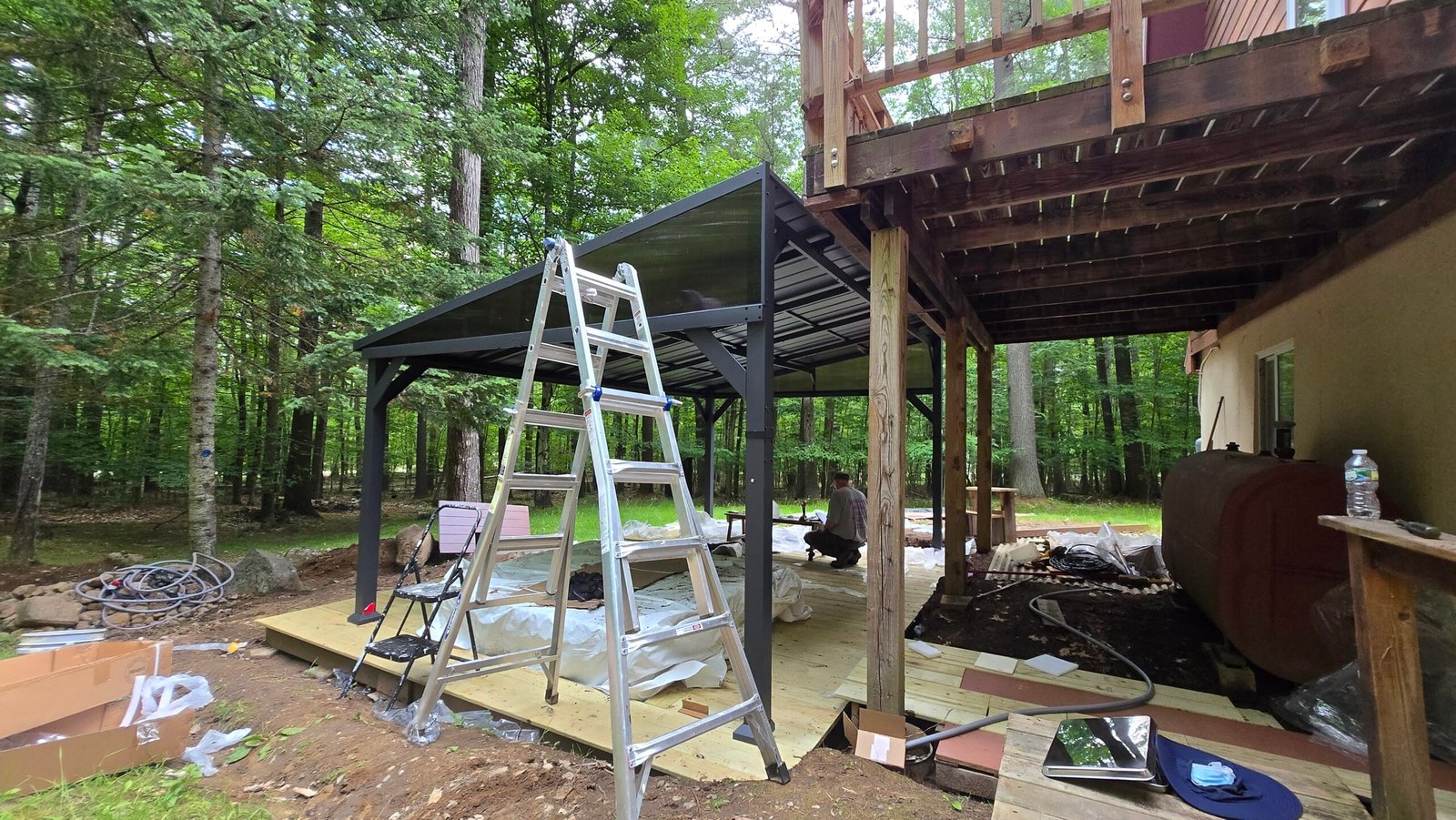
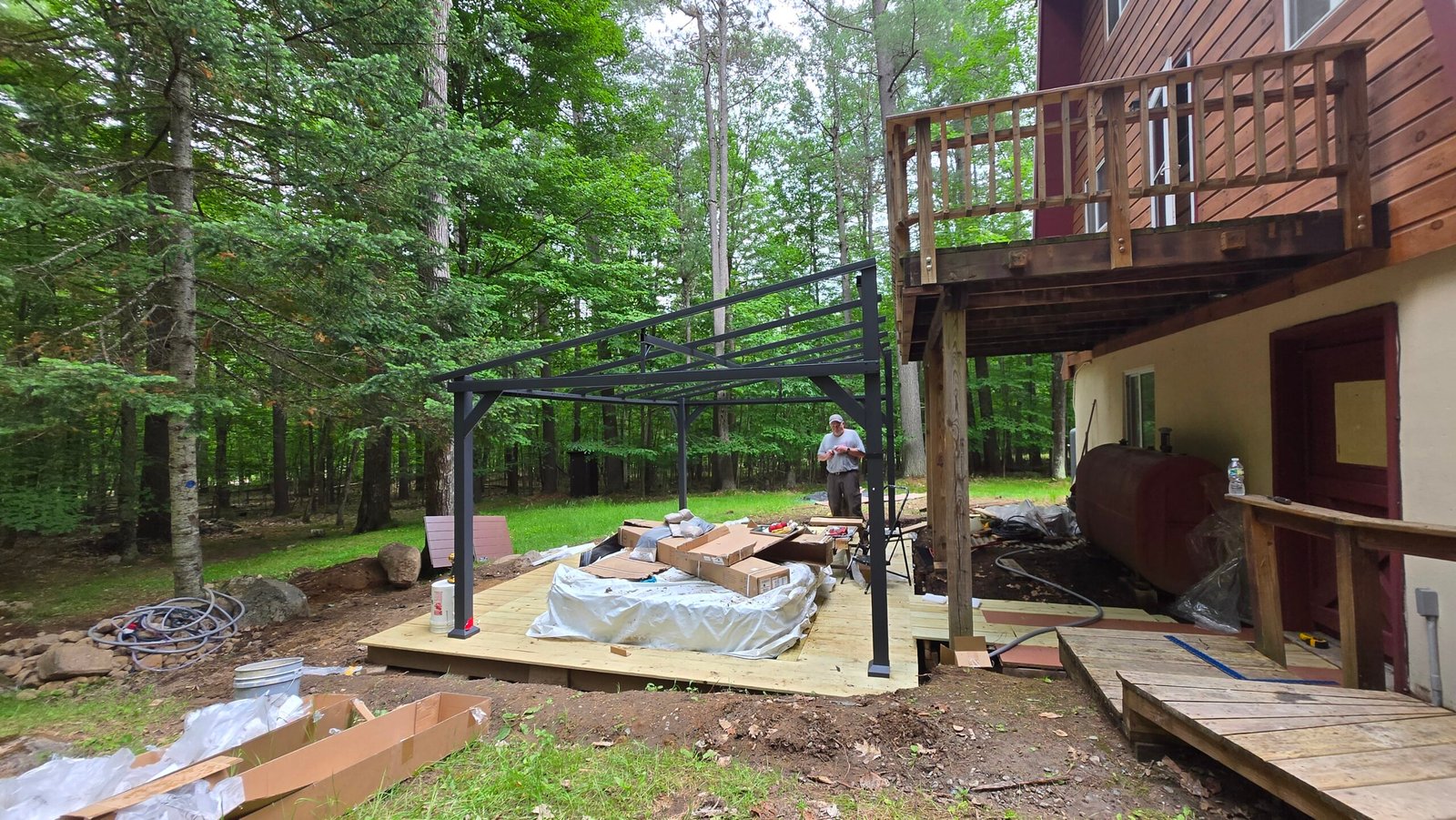
We are Hanah and Byunghun (Hun, most places), a tech industry couple who fell into short-term rental hosting the way a lot of people do. Not as a five-year plan, more as one property that made sense at the time, followed by the slow realization that we had built an entire second, unpaid job for ourselves. I work in UX and tech. Byunghun handles almost everything physical: renovation, repair, the deck he is perpetually rebuilding some piece of, the hot tub plumbing he has now rewired more times than either of us wants to admit.
We are also, honestly, big Airbnb users ourselves. Every trip we take, we are staying in someone else’s listing, noticing what worked and what did not, quietly filing it away. That habit is a big part of why this site exists at all. You start to see hosting from both sides of the booking, and the gap between “what guests actually notice” and “what hosting advice usually talks about” gets hard to ignore.
The Four Properties
Here is the actual portfolio, since a lot of what we write only makes sense with this context:
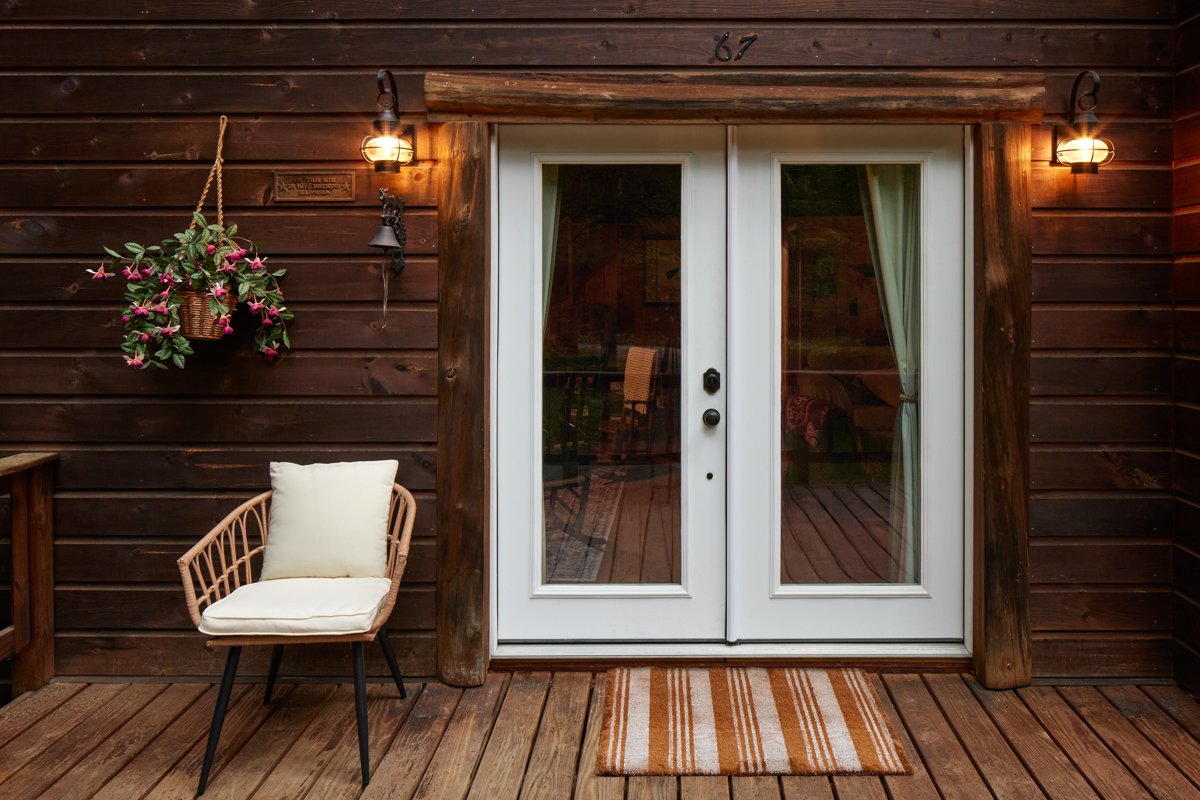
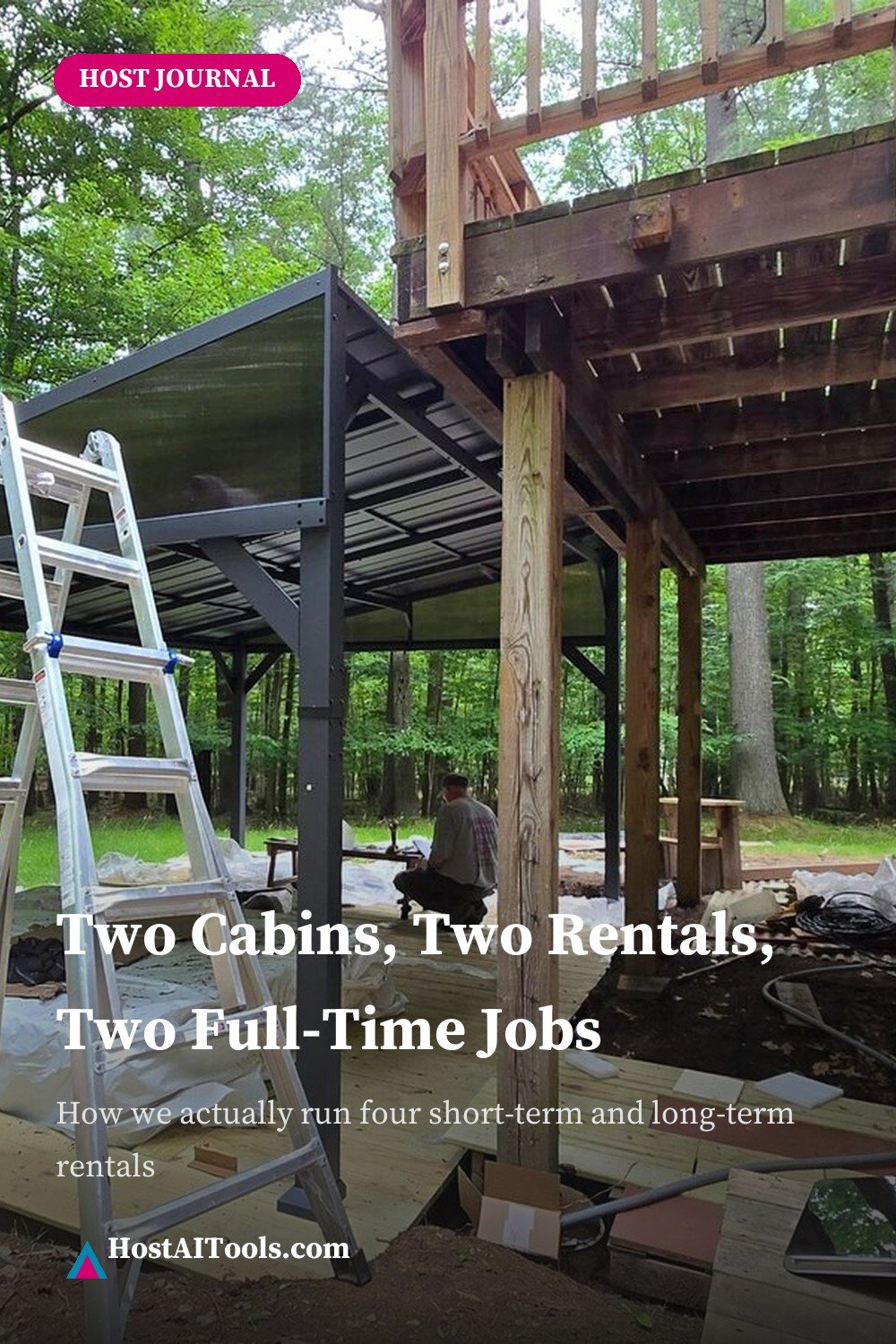
- Two short-term rentals in Jay, New York. Adirondack cabins, four-season market (ski, lake, foliage, and a mud season nobody wants to book), hot tub and fire pit as signature features. These are the properties most of our tool reviews and Host Journal renovation posts are about.
- Two long-term rentals in Philadelphia. A completely different rhythm. Same rent every month, no turnover chaos, no guest messaging. We mention these less often, but they are a useful contrast. Long-term rental makes short-term rental’s operational complexity very obvious by comparison.
Running both at once, on top of full-time jobs, is the actual reason we started digging into AI tools in the first place. Not because automation sounded exciting, but because something had to give, and neither of us was willing to give up sleep permanently.
The Jay properties get most of the attention on this site because they are where the actual complexity lives. The coffee station is the single most-commented-on detail in our reviews, more than the hot tub, more than the view. Guests notice a good coffee setup in a way that surprised me the first season. The fire pit and hot tub both have to work across four real seasons, not the postcard version of “cabin in the woods.” Winter means freeze protection and different guest instructions. Summer means the fire pit competes with bugs and long daylight for when golden-hour staging actually happens. None of that is generic “Airbnb host” content. It is specific to running a cabin in a place with real winters, and it is a big part of why cookie-cutter hosting advice never quite fit us.
A Realistic Version of a Weeknight
Here is a fairly ordinary Tuesday from last winter, because “we run four properties on top of full-time jobs” is an abstraction until you see what it actually looks like. I am in a product meeting for my day job when a message comes in from a Jay guest asking about the hot tub’s winter startup sequence. Byunghun is two hours away from that property, mid-shift at his own job, unable to physically check on anything until the weekend. The Philly units are quiet, which is their whole appeal, but one of them has a maintenance request sitting in my inbox that I have not gotten to. By the time I am free to actually respond to the hot tub question, forty minutes have passed. The guest is fine. The math still bothers me: forty minutes is a long time for a guest standing in a cold cabin wondering if they broke something.
That specific kind of gap, real problem, no one physically available, generic advice useless because it assumes a single property and a host who is not also at a day job, is the exact thing that sent us looking seriously at AI tools instead of just accepting the gap as the cost of doing this.
Three Questions Before We Say Yes to Anything New
Running four properties on top of full-time jobs means we cannot add every interesting tool, every renovation idea, every “you should really try this” suggestion. This is the actual filter we use, and it comes up constantly across the tool reviews and Host Journal posts on this site:
- Does this solve a problem we have actually hit, not a hypothetical one? The hot tub question above is a real, recurring problem. A feature that sounds impressive but does not map to something that has actually gone wrong does not make the cut.
- Can we test it against a real busy period, not a quiet week? Anything, a tool, a renovation choice, a new process, looks fine during a slow stretch. The real test is whether it holds up during a genuine demand swing.
- What happens if we stop doing it? If removing something does not cause a problem, it was not earning its place. If it does, that is the signal it is real infrastructure, not a nice-to-have.
You will see this same three-question filter show up again in the tool reviews on this site. It is not a marketing framework. It is genuinely how we decide what is worth our limited time.
Superhost, Guest Favorite, and What Actually Matters
I hold Superhost status on our Jay listings, and I am not going to pretend that badge does not matter. Superhosts report meaningfully higher annual revenue than comparable non-Superhosts, and the requirements (a 4.8+ rating, 90%+ response rate, under 1% cancellation rate, a minimum number of stays) are a real, if blunt, measure of consistency.
But the landscape has shifted. Airbnb has been de-emphasizing the dedicated Superhost search filter in favor of Guest Favorite, a newer designation tied to a 4.9+ rating that now carries more weight in how listings surface in search. If you are a new host reading this and fixating on the Superhost badge specifically as the finish line, it is worth knowing the platform itself is moving the goalposts toward guest experience quality more broadly, not just a checklist of hosting metrics. The badge is a lagging indicator. The actual thing to optimize for, always, is whether a guest’s stay went the way they hoped it would.
The contrarian take: chasing the Superhost badge directly is backwards. Every host I know who earned it easily was not trying to earn it. They were just obsessively responsive and honest about what their space actually offers. The badge followed. Optimizing for the badge instead of the guest experience tends to produce anxious, over-managed hosting, which guests can feel.
Why This Site Exists
The actual founding moment was less dramatic than a founding story usually sounds. It was somewhere in year one, juggling two markets, two full-time jobs, and a flood of “AI tool for hosts” ads that all promised the same vague magic. Some of it was genuinely useful. A lot of it was not, and there was no honest source telling us which was which, tested by someone actually running a small, real, unglamorous portfolio instead of a hosting empire or a single vacation condo.
HostAITools is that honest source, or at least our attempt at one. Every tool review here is tested against our actual properties, not a hypothetical listing. Every Host Journal post is a real project, with the real budget, the real mistakes, and the parts that did not go according to plan.
We also, deliberately, do not review every tool that exists. A lot of AI-for-hosts content is written by people who have never actually run a listing, comparing feature lists without ever testing whether a tool holds up during a real ski-season weekend or a same-day turnover disaster. We would rather publish fewer, deeper, more honest reviews than a fast, generic roundup of forty tools none of which we have opened.
We Are Not Doing This Perfectly
Worth saying plainly, since it sets the tone for everything else on this site: we do not have this fully figured out. The bathroom renovation series that starts later in the Host Journal is happening in real time, budget overruns and all. The first-season lessons post exists because our first season included genuine mistakes, not just polished wins. If you are looking for a site that presents hosting as a solved problem, this is not that site. If you want to see what it actually looks like to run four properties on top of full-time jobs, badly some weeks and well on others, that is what you are going to get here.
What to Expect Here
Two kinds of content, working together:
- Tool reviews and comparisons (pricing, guest messaging, cleaning coordination, listing photos) tested on our actual properties, with real pricing and honest “who this is NOT for” sections instead of universal recommendations.
- Host Journal posts (this silo) covering the hands-on side: renovations, staging, the specific things that went wrong in our first season and what we changed. Less “how to,” more “here is what actually happened, and here is what I would do differently.”
If you want the tactical, tool-by-tool breakdown of what runs our actual hosting stack, start with the essential AI tools we actually use. If you are earlier in the “should I even bother with any of this” stage, this piece is the more honest starting point.
Who this is NOT for: if you are looking for a single, universal “how to be a great host” checklist, plenty of sites offer that already. This site is specifically for hosts managing more than one property, or juggling hosting against a full-time job, where the generic advice starts to break down.
FAQ
How many properties do you actually run?
Four total: two short-term rentals in Jay, New York, and two long-term rentals in Philadelphia, all managed on top of full-time jobs.
Do you do the renovation work yourselves?
Byunghun handles almost all of it directly. It is a genuine, meaningful part of how the properties actually get built and maintained, not outsourced, and it comes up regularly in Host Journal posts.
Is HostAITools only about AI tools, or is it also about hosting in general?
Both, deliberately. The tool reviews are the practical, tested backbone. The Host Journal posts are the real, unfiltered side of actually running these properties, which is where a lot of the credibility for the tool reviews comes from in the first place.
What is coming next in the Host Journal series?
A four-part bathroom renovation series starting with demo day, a staging guide for golden-hour listing photos, and a first-season Superhost lessons post covering what genuinely did not work and what we fixed.
Next: if you want the real, in-progress side of hosting rather than another tool review, the Host Journal series continues from here as each new post goes live.
Pin This
Sources: Airbnb Superhost requirements and revenue data, 2026.